The Best Street-Style Jamaican Food to Try
@charlievfij311
October 23, 2026 · 16 min read
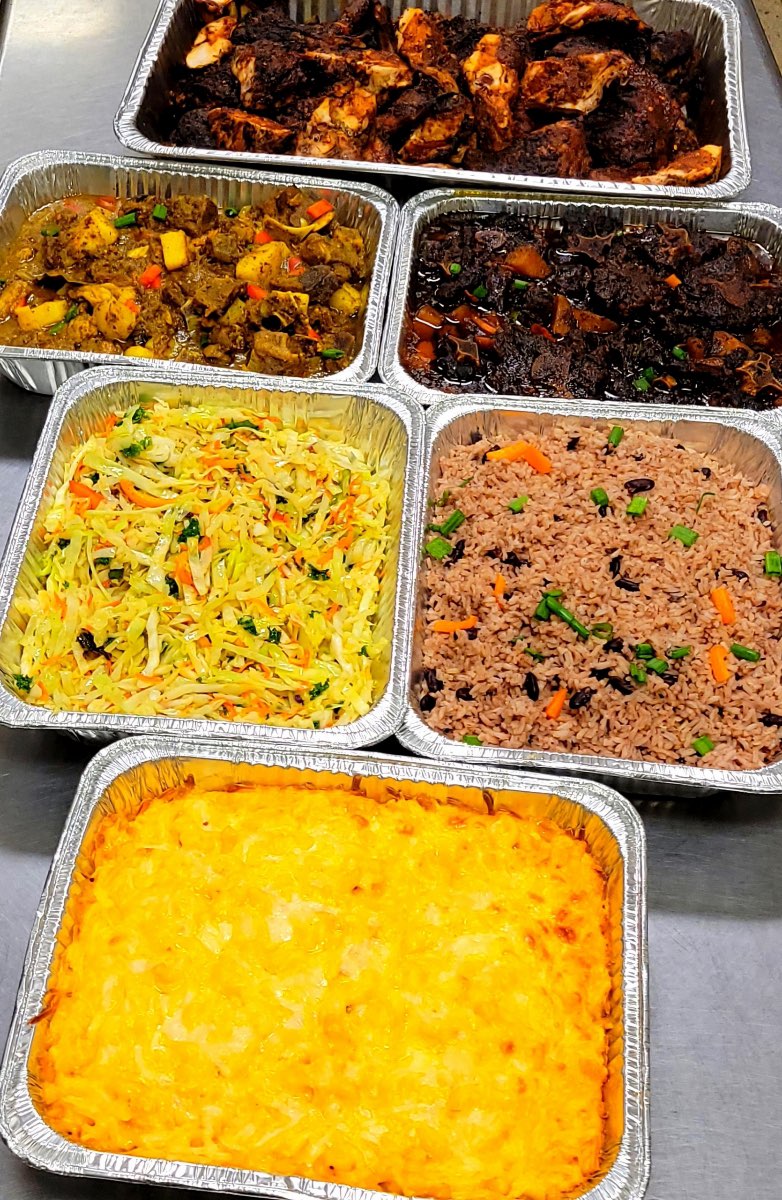
Jamaican street food does not arrive politely. It comes smoky, spicy, greasy in the best way, and built for appetite rather than ceremony. You smell it before you see it. A curl of pimento smoke from a jerk pan. The hot oil note from a patty case under a glass warmer. Pepper, scallion, thyme, Scotch bonnet, all riding the air. If you want to understand jamaican food beyond resort Jamaican recipes buffets and polished restaurant menus, start on the roadside, at a corner shop, beside a beach, outside a dance, or at a pan chicken stand where the cook keeps one eye on the coals and the other on the queue.
That street-side world is where a lot of the island’s most memorable eating happens. It is fast, practical, deeply local, and surprisingly nuanced. Some dishes are built around fire and patience. Others are built around portability, value, and timing. The best ones do both. They fill you up and tell you exactly where you are.
Why Jamaican street food stands apart
Street food in Jamaica carries the same history as the country’s home cooking, just with more urgency. It reflects African cooking traditions, indigenous ingredients, British colonial influence, Indian and Chinese contributions, and the practical realities of feeding workers, schoolchildren, late-night crowds, and early-morning commuters. That mix explains why a single morning can begin with saltfish and bread, roll into a beef patty at midday, and end with jerk chicken pulled hot from the grill.
The flavors tend to be bold, but they are rarely blunt. Good street-style jamaican food balances heat with sweetness, smoke with freshness, and richness with sharp pickled or peppery accents. Scotch bonnet gets attention because it deserves it, but it is only one piece of the picture. Allspice, known locally as pimento, is just as important. So are thyme, ginger, scallion, onion, nutmeg, and the kind of slow seasoning that gets into the bone.
Another thing that sets Jamaican street food apart is texture. The crackle of chicken skin over a grill. The flaky shatter of a patty crust. The yielding starch of boiled green banana. The firm chew of festival, that slightly sweet fried dough often served with fish or jerk meat. A lot of the pleasure sits in the contrast.
Jerk chicken, the headline act for good reason
If there is one street food that people travel for, queue for, and talk about years later, it is jerk chicken. Proper jerk is not just chicken with spice rubbed on it. It is a method and a flavor system. The seasoning usually includes scallion, thyme, Scotch bonnet, garlic, ginger, allspice, and other ingredients that vary by cook. The chicken is marinated, then cooked low and slow over pimento wood or charcoal, often in a steel drum cut into a grill.
At its best, jerk chicken has layers. The outside is charred but not burned into bitterness. The skin carries smoke and spice. The meat underneath stays juicy. Heat comes in gradually, then lingers. The smoke should feel fragrant rather than harsh. A good jerk vendor knows exactly when to pull each piece, and that matters more than many visitors realize. Chicken breast dries out quickly. Leg and thigh cuts tolerate more heat and usually deliver more flavor.
One of the easiest mistakes travelers make is assuming every place with “jerk” on the sign serves the same thing. Not even close. Some vendors lean aggressively into pepper and smoke. Others make a sweeter, more accessible style. Some chop the meat to order and splash it with a thin, spicy sauce. Others keep the seasoning dry and let the grill do the work. If you see a steady local crowd, especially in the late afternoon and evening, that is usually a very good sign.
Jerk chicken nearly always gets better with the right sides. Festival is a classic pairing because the sweetness softens the heat. Hard dough bread is common too, especially if you want something to mop up juices. Bammy, the cassava flatbread, makes sense with jerk as well, though many people associate it more strongly with fish.
Jerk pork, richer and often even better
Jerk chicken gets more global attention, but jerk pork is what many serious eaters quietly prefer. Pork takes smoke beautifully. The fat bastes the meat as it cooks, and the jerk seasoning sinks into every edge and fold. When done right, you get crispy bits, tender interior pieces, and that mix of spice and rendered richness that keeps you reaching back for another piece long after you planned to stop.
The best jerk pork stands sell different cuts, and this is where judgment comes in. Leaner pieces are easier for cautious eaters, but shoulder and belly-adjacent cuts usually have more character. Ask for a mix if the vendor allows it. The chopped meat often gets tossed with a spicy sauce and extra bits of skin, which is exactly what a lot of regulars want. It can be messy, and that is part of the point.
Jerk pork also tends to show the cook’s skill more clearly than chicken. Chicken can stay appealing on smoke and seasoning alone. Pork exposes balance. Too much time on the grill and the fat turns tough. Too little and the texture feels flabby. The sweet spot is narrow and memorable.
Patties, the everyday icon
No discussion of street-style jamaican food is complete without patties. They are everywhere for a reason. A patty is practical, inexpensive, portable, and satisfying in that very specific way only flaky pastry wrapped around savory filling can be. Most visitors start with beef, which is sensible, but the category is broader than many expect. Chicken, vegetable, curry chicken, lobster in some places, and especially spicy beef all have loyal followings.
The pastry matters as much as the filling. A good patty shell should be deeply golden, lightly crisp at the edges, and fragile enough to flake without collapsing into dust. Turmeric often gives it that warm yellow tone. The filling should be moist, seasoned, and hot enough to release a burst of steam when you break into it. If the meat tastes muddy or overly salty, move on. Better shops are easy to find.
A full local move is to eat a patty inside coco bread. The soft, slightly sweet bread cushions the pastry and turns a snack into a proper meal. It sounds excessive until you try it. Then it makes complete sense. The contrast between buttery crust and pillowy bread is pure comfort.
Patty chains have their place, and many Jamaicans are loyal to one bakery or another, but small bakeries and neighborhood shops can be excellent too. Timing matters. Fresh batches are worlds apart from patties that have been sitting too long under heat lamps. Mid-morning and lunch are usually safe windows.
Escovitch fish, the roadside feast by the sea
If you are anywhere near the coast, look for escovitch fish. This dish is one of the clearest examples of how Jamaican street food can taste both vivid and disciplined. The fish, often snapper or another local catch depending on what is available, is fried until the skin turns crisp and the flesh stays moist. Then it is topped or dressed with a sharp mixture of vinegar, onions, carrots, Scotch bonnet, and sometimes pimento berries.
The magic is in the contrast. You get hot fish and cool pickled vegetables, crisp skin and tender flesh, oil and acid. It wakes up your palate immediately. Beachside vendors often serve it with bammy or festival, and that combination feels exactly right after a swim or a long hot afternoon.
Quality depends first on freshness. Fish should smell clean and mild, not fishy. The oil should be hot enough to crisp the exterior without turning the inside dry. The escovitch dressing needs enough acidity to cut through the fried element without drowning the fish. When it is balanced, it tastes bright rather than sour.
There is also a social element to escovitch fish. It is often eaten slowly, with fingers, with conversation, with a cold drink nearby. Even in casual roadside settings, it can feel like an event.
Fried fish and bammy, simple and deeply satisfying
Some of the best Jamaican street meals are simpler than the famous names. Fried fish served with bammy is one of them. Bammy, made from cassava, is one of those foods that visitors sometimes underestimate at first bite. On its own, it can seem mild. Next to fish, pepper sauce, or a runny gravy, it becomes the perfect support act. It soaks up flavor without getting in the way.
A good bammy has a lightly crisp exterior from frying or toasting and a soft interior that still holds shape. Some versions are soaked briefly in milk or coconut milk before cooking, which enriches the texture. With fish, that slight creaminess works particularly well.
Roadside fish spots often offer several seasoning approaches. Some fish gets steamed, some brown stewed, some simply fried and served with lime and pepper. If you are undecided, watch what the regulars order in volume. Street food judgment often starts there.
Pan chicken, the unsung roadside favorite
Pan chicken deserves more attention outside Jamaica. It is not exactly the same thing as jerk, though visitors often confuse the two. Pan chicken is generally cooked on a large metal pan or grill setup and seasoned heavily, but the flavor profile can be less smoke-driven and more focused on savory spice, browning, and sauce. It is often chopped into bite-size pieces and sold in easy takeaway portions.
What makes pan chicken so good is consistency. A strong pan chicken stand can turn out large volumes without losing moisture or seasoning. It is built for weeknight dinners, roadside stops, after-work hunger, and feeding groups without fuss. The chicken is usually paired with bread, festival, or sometimes rice and peas if the vendor operates more like a small takeaway.
The best versions have deeply seasoned skin, juicy interior meat, and enough char to keep things interesting. They also tend to come with a pepper sauce that should be approached carefully the first time. Scotch bonnet sauces vary wildly in heat, and one vendor’s “mild” might still be memorable.
Roast yam and saltfish, a breakfast that eats like a lunch
For many travelers, Jamaican street food starts too late in the day. That is a missed opportunity. Morning roadside food can be some of the most rewarding on the island, and roast yam with saltfish is a prime example. The yam gets roasted until the exterior darkens and the inside turns tender and slightly smoky. Paired with sautéed saltfish, often cooked with onion, tomato, black pepper, and sometimes ackee in other contexts, it becomes a sturdy, sustaining breakfast.
This is not a delicate meal, and it is not trying to be. It is the kind of food built to carry people through work. The yam brings earthy sweetness and heft. The saltfish contributes salinity and savor. Add a hot drink or fresh juice and you have a meal that tells you far more about daily Jamaican eating than a hotel pastry basket ever could.
The edge case here is personal preference for saltiness. Saltfish can be assertive if not properly prepared. Good cooks soak and boil it enough to tame the salt while preserving flavor. If the balance is off, it shows immediately.
Ackee and saltfish on the move
Ackee and saltfish is Jamaica’s national dish, and while many people think of it mainly as a sit-down breakfast, it appears in street-side and takeaway formats too. When done by a capable cook, it can be excellent even from humble surroundings. Ackee has a delicate texture, somewhere between soft scrambled egg and buttery avocado in feel, though the taste is its own. Saltfish, tomato, onion, and seasoning bring structure and contrast.
Street vendors typically serve it with fried dumplings, boiled green banana, yam, or breadfruit when in season. If you see it at a busy breakfast stall, it is worth ordering. What matters most is restraint. Ackee should stay intact rather than being mashed into a paste. The seasoning should support the dish rather than overwhelm it.
For first-timers, the texture can be surprising. Give it a fair chance. It is subtle compared with jerk or escovitch, but it rewards slower attention.
Soup on the roadside, especially on Saturdays
Jamaica takes soup seriously. In many places, Saturday soup is practically a ritual, and roadside vendors often sell goat soup, chicken foot soup, red peas soup, or fish tea from large pots that draw a crowd long before noon. These are not thin starters. They are full-bodied, restorative meals with roots in thrift, skill, and communal eating.
Goat soup can be peppery and deeply aromatic, often carrying yam, dumplings, and other ground provisions. Red peas soup, made with kidney beans and usually some form of salted meat or beef, eats almost like a stew. Fish tea, despite the name, is a savory fish broth seasoned with herbs and vegetables, often lighter in body but still flavorful.
Soup is one of the clearest reminders that street food does not always mean fried or handheld. Sometimes it means standing beside a pot while someone fills a container, then finding a place in the shade to eat slowly with a spoon. If the day is wet, windy, or just slightly hungover, it can be the best thing you order.
Mannish water, bold and not for everyone
Some street-side Jamaican specialties ask for a little bravery. Mannish water is one of them. Traditionally made from goat parts and simmered with herbs, spices, and vegetables, it has a reputation as both fortifying and festive. It often appears at gatherings, parties, and community events, but roadside versions exist too.
This is a dish where context matters. If you care mostly about familiar flavors, it may not be your first stop. If you are curious about the full range of jamaican food, it is worth trying from a trusted vendor. The broth should be rich and peppery, not muddy. Texture can vary depending on what parts are included. Some people love it instantly. Others appreciate it more as a cultural experience than a personal favorite. Both reactions are fair.
Festival, fried dumplings, and the starches that make the meal
One reason Jamaican street food is so satisfying is that the starches are never afterthoughts. Festival, fried dumplings, bammy, hard dough bread, boiled green banana, roast breadfruit, and yam all play specific roles. They absorb sauce, moderate spice, stretch a meal, and create textural contrast.
Festival is especially easy to love. Slightly sweet, crisp on the outside, soft inside, it bridges savory and sweet more gracefully than most fried doughs. Fried dumplings are less sweet and often denser, better suited to breakfast dishes or saltfish. Breadfruit, when roasted well, offers a nutty, starchy depth that goes beautifully with fish or jerk. These details matter because street food is rarely just one item. It is usually a combination built for balance.
Drinks that belong with the food
The right drink can change the whole meal. Jamaican roadside culture offers plenty of options, from packaged soft drinks to fresh juices and local specialties. Sorrel appears more around the holiday season, but you may find it at other times. Irish moss, peanut punch, and carrot juice all have devoted followings, especially as filling drink-snacks in their own right. A cold coconut water from a roadside vendor can be exactly what you want after something heavily spiced.
For heat management, sweet or creamy drinks often work better than plain water. That is practical, not macho. Scotch bonnet heat lingers in oils, and a sugary or dairy-based drink can soften the blow more effectively than another sip of water.
How to order well at a Jamaican street stall
Visitors sometimes overthink street food and end up choosing timidly. You do not need local fluency to eat well, but a little awareness helps.
Ask what is fresh, especially with fish and patties. Look at turnover. Smoke, queues, and quick service usually point in the right direction. Be honest about spice tolerance. Jamaican vendors are generally direct, and they often appreciate direct questions in return. If they tell you the sauce is hot, believe them the first time.
Portion size is another detail worth noting. Street food servings can be generous, especially with jerk pork, fish, and breakfast starches. Ordering too much too early in the day is a common rookie move. Pace yourself if you are trying several things.
A few smart picks if it is your first time
If you are staring at a menu board or a hot case and want a reliable starting point, these choices rarely disappoint:
- Jerk chicken with festival for a balanced first taste of smoke, spice, and sweetness.
- A spicy beef patty, ideally with coco bread, for the classic everyday snack.
- Escovitch fish with bammy if you are near the coast and want something vivid and fresh.
- Roast yam and saltfish in the morning if you want to eat like a local rather than like a tourist.
- Pan chicken when you want a hearty roadside meal with less ceremony and excellent value.
The difference between famous and actually good
A final point worth making is that the best street-style Jamaican food is not always attached to the most famous name, the loudest sign, or the most polished setup. Some legendary spots earn every bit of praise. Others coast on reputation. Meanwhile, an unassuming roadside pan under a zinc roof can serve the best jerk you eat all week.
That is part of the pleasure. Jamaican street food rewards attention. Listen for where drivers stop. Watch which stalls have a fresh batch coming off the grill. Notice whether the person at the fryer moves with confidence. Great vendors tend to have rhythm. They season efficiently, cut cleanly, answer questions without overselling, and keep things moving. You can feel the difference almost before you taste it.
What stays with most people after a truly good street food meal in Jamaica is not just one flavor. It is the combination of place, heat, smoke, impatience, appetite, and relief. It is the sound of the knife on the chopping block, the smell of pimento wood, the first bite that is too hot but too good to wait on. That is where jamaican food often shows its best self, not dressed up, not explained too much, just served when it is ready.
Reggae Pot Jamaican Grill
7562 S University Blvd C, Centennial, CO 80122
(303) 997-5623
FAQ About jamaican food
What is the best Jamaican food to try in Centennial?
The best choice depends on your preferences. Reggae Pot Jamaican Grill offers jerk chicken, curry goat, oxtail, and escovitch snapper, along with sides such as rice and peas and fried plantains. Ask the restaurant about current availability and spice levels before ordering.
Is Jamaican food very spicy in Centennial?
Heat varies by dish and preparation. Jerk dishes can be hot, while some stews and sides are milder. Tell the restaurant your preferred heat level and ask which options suit you.
What is typically on a Jamaican menu?
Common choices include jerk chicken, curries, oxtail, fish, patties, rice and peas, and plantains. Reggae Pot also lists ackee and saltfish and vegetable dishes. Menus and availability can change, so confirm your choices when ordering.