How Jamaican Food Balances Heat, Sweetness, and Spice
@charlievfij311
October 23, 2026 · 15 min read
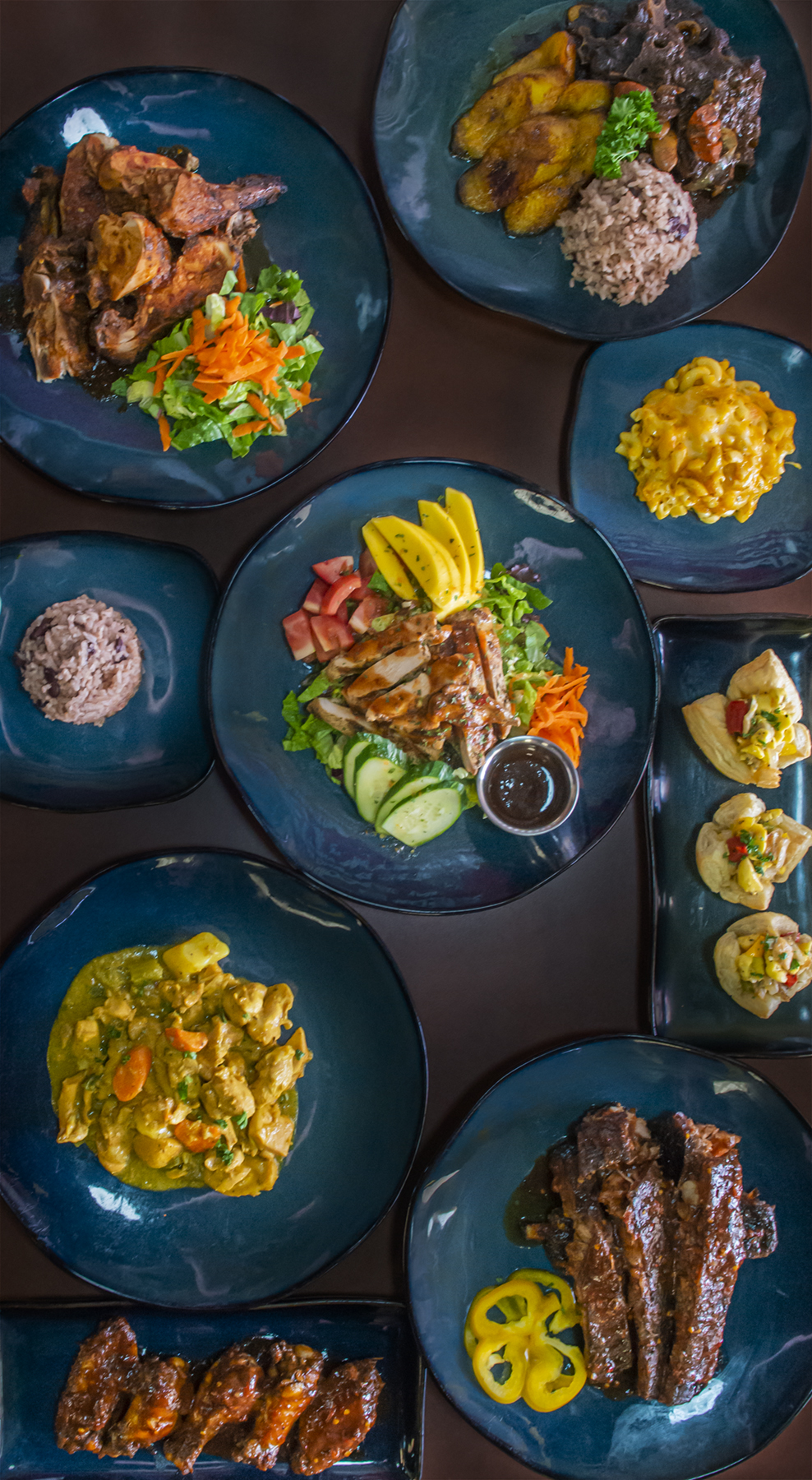
Jamaican food has a reputation for fire, and not without reason. Scotch bonnet peppers can deliver a fast, bright heat that lingers. Jerk seasoning can perfume a yard from the road. A good curry goat can make your forehead bead. Yet anyone who knows the cuisine beyond its hottest dishes understands that heat is only one instrument in a much larger band. What makes Jamaican food memorable is the way it layers heat with sweetness, spice, smoke, acidity, herbs, and often a deep savory backbone built over time.
That balance is not accidental. It comes from geography, agriculture, history, and cookery that values judgment more than rigid measurement. In a Jamaican kitchen, sweetness is not simply sugar, and spice is not just chile. Sweetness might come from ripe plantain, coconut milk, caramelized onion, pumpkin, or the soft richness of a long-cooked gravy. Spice might mean allspice, ginger, thyme, scallion, nutmeg, pimento wood smoke, or curry powder warmed in oil until fragrant. Heat has its place, but it is rarely meant to bulldoze everything else.
Understanding that balance explains why the food feels so alive on the palate. It also explains why badly made versions often miss the mark. When the pepper is loud but the dish is thin, or the sweetness turns cloying, or the spice blend tastes dusty instead of vivid, something essential has been lost.
The palate logic behind Jamaican cooking
A lot of cuisines chase contrast, but Jamaican food often works through overlap. Heat and sweetness do not sit in separate corners. They mingle. A jerk marinade may contain Scotch bonnet, yes, but also scallion, thyme, allspice, brown sugar, and sometimes a little soy sauce, ginger, or citrus. That means the first impression might be aromatic and faintly sweet before the pepper blooms. The effect is not one note but a sequence.
This matters because capsaicin, the compound that gives peppers their heat, behaves differently depending on what surrounds it. Sugar softens perception. Fat carries flavor and slows the burn. Salt sharpens everything. Acidity lifts heavy dishes and keeps sweetness from turning flat. Jamaican cooks, whether they explain it in technical language or not, work with these interactions instinctively.
Take a plate that many people know well: jerk chicken with festival and a side of slaw. The chicken brings char, smoke, spice, salt, and chile heat. Festival, a lightly sweet fried dough, cools and steadies the palate. Slaw adds crunch and acidity. None of these parts is random. Each one handles a different part of the sensory load.
That sense of balance also explains why the cuisine can feel robust without becoming monotonous. A meal might be hearty and full-bodied, but there is usually something in it that cuts through richness or tamps down heat, whether that is a squeeze of lime, a sweet starch, a sharp pickle, or the gentle sweetness of coconut.
Sweetness in Jamaican food is broader than people think
Many diners hear the word sweetness and imagine sugary sauces. That is too narrow for Jamaican food. Some of its most important sweet notes are subtle and structural.
Ripe plantain is the obvious example. Fried until the edges brown, it brings deep fruit sugars and a soft texture that pairs especially well with salty or spicy mains. It is not a dessert element awkwardly placed on a dinner plate. It is a counterweight. Beside escovitch fish or spicy stew peas, that sweetness gives the meal range.
Then there is coconut. In rundown, the coconut milk reduces and thickens around fish, shellfish, or vegetables. As it cooks, its sweetness becomes nutty rather than sugary. It cushions heat and rounds out salt. In rice and peas, coconut milk does similar work. It gives the rice fragrance and body, making a spicy or highly seasoned main dish feel more complete.
Sweetness also comes from long cooking. Browned sugar in some marinades and gravies does more than sweeten. It contributes color, caramel notes, and a slight bitterness if pushed far enough. Onions cooked down into a stew release sweetness slowly. Pumpkin in soups adds a mellow background note. Even cassava and sweet potato can play this role, especially in rural styles of cooking where starches are expected to carry flavor rather than merely fill space.
One of the clearest examples is oxtail. Good Jamaican oxtail should not taste sugary, but a proper gravy often has a faint molasses-like depth from browning, from the natural sweetness of the vegetables, and sometimes from a touch of ketchup or browning sauce. That whisper of sweetness keeps the dish from tasting muddy.
Heat is sharp, fragrant, and usually purposeful
Scotch bonnet peppers deserve their fame, but the jamaican food way they are used in Jamaican food is more nuanced than many outsiders expect. A Scotch bonnet can be chopped into a seasoning blend for full impact, or dropped whole into a pot to perfume a dish with less direct burn. Those are very different outcomes.
In home kitchens, especially when cooking for mixed company, it is common to see whole peppers used strategically. A pot of rice and peas may simmer with one intact Scotch bonnet. If it stays unbroken, the dish picks up aroma and mild background warmth rather than aggressive heat. The same principle applies to soups and stews. This is one reason it is a mistake to assume that every Jamaican dish is meant to be fiercely hot. The pepper can be a fragrance as much as a weapon.
Jerk is another useful case study. The heat in jerk should not come across as raw and one-dimensional. It is integrated into a paste or marinade where it works alongside thyme, scallion, allspice, ginger, garlic, and sometimes sugar and soy. Then fire and smoke transform the mixture again. What reaches the plate is not just chile burn, but a layering of green freshness, warm spice, savory depth, and char.
There is also a practical side to how heat functions. In hot climates, spicy food can stimulate appetite and make rich food feel less heavy. Pepper also helps assert itself in foods that are grilled, smoked, or cooked in large batches. In that sense, heat is partly culinary design. It ensures the food keeps its identity.
Still, there are trade-offs. Too much Scotch bonnet can drown the allspice in jerk, flatten the thyme in curry, and make a nuanced fish dish taste blunt. Skilled cooks know when to pull back. That restraint is often what separates a memorable plate from one that is merely hot.
Spice means more than chile
One of the fastest ways to misunderstand Jamaican food is to use heat and spice as if they mean the same thing. In Jamaican cooking, spice is a wider and more aromatic category.
Allspice, also called pimento in Jamaica, is central. It tastes of clove, cinnamon, and nutmeg, but with a personality of its own. It is one of the defining signatures of jerk and appears in many savory and sweet preparations. Its warmth bridges sweetness and heat better than almost any other ingredient in the pantry.
Thyme and scallion are equally important, though they are herbs rather than spices in the strict botanical sense. They bring freshness and pungency that stop rich dishes from feeling heavy. Ginger adds both heat and brightness. Nutmeg appears in baking and beverages, but can also deepen savory dishes. Curry powder, itself a blend, has a distinct Jamaican life, often richer in turmeric and allspice notes than some South Asian counterparts used elsewhere.
Spice in Jamaican food is not merely dusted on at the end. It is often bloomed, pounded, rubbed, or cooked into the foundation of a dish. That changes its role. Dry spices dumped into a stew late can taste chalky or disconnected. Spices heated in oil, or married to aromatics in a marinade for hours, taste woven in.
This is especially important in curry goat. A good version tastes rounded and warm, not just hot and yellow. The spice should seep into the meat, and the gravy should carry it in every spoonful. When the curry is hurried, you can tell. The spice sits on the surface instead of living in the dish.
Signature dishes show the balance in action
The easiest way to grasp the logic of Jamaican food is to look at individual dishes and ask where the heat, sweetness, and spice each show up.
Jerk chicken is the best known, and for good reason. The seasoning paste combines chile heat with earthy allspice, green herbs, and usually some sweet element. Once grilled over pimento wood or charcoal, smoke adds bitterness and depth. If the cook gets it right, the skin is charred in spots, the meat stays juicy, and the sweetness never reads as candy-like. It is there to round the edges and help caramelization, not to dominate.
Escovitch fish works differently. Here the heat often arrives through pickled vegetables, especially peppers, onions, and carrots. The fish itself may be simply seasoned and fried until crisp. The vegetables bring acidity, some sweetness from the carrot and onion, and pepper heat that feels brighter than the heat in a stew or jerk rub. The pleasure comes from the contrast between crisp fish and sharp, hot topping.
Curry goat leans into spice and savoriness, but sweetness still matters. Properly cooked onions, the natural sweetness of the meat, and the slight richness of the gravy keep the curry from tasting austere. If a cook adds potato, it contributes body and a faint earthy sweetness as it breaks down.
Rice and peas is often treated as a side dish, yet it plays a balancing role worthy of more attention. Coconut milk softens, thyme perfumes, and the starch steadies the sharper edges of the plate. Put a spoonful next to something hot, and you immediately feel why it belongs there.
Ackee and saltfish may seem less relevant to a discussion of heat, but it proves the same point. Ackee has a buttery, delicate quality. Saltfish is savory and firm. Onion, tomato, thyme, Scotch bonnet, and sweet pepper tie them together. The dish is often not especially hot, yet it is deeply spiced in the broader Jamaican sense. The sweetness of the vegetables and the creaminess of the ackee are essential to the whole effect.
Even patties tell the story. The filling can be peppery and heavily seasoned, but the pastry, with its fat and often a faint sweetness, keeps the experience balanced. A patty that is all heat and no savoriness is forgettable. So is one whose crust has no richness to carry the filling.
Why side dishes matter so much
People often focus on the main attraction and miss the supporting cast. In Jamaican food, sides are not decorative. They often complete the flavor geometry of the meal.
Festival beside fried fish is a classic example. Jamaican jerk chicken Without the lightly sweet dough, the fish and pepper sauce can feel too sharp. With it, the plate settles into rhythm. The same goes for bammy, whose mild cassava flavor gives spicy seafood a neutral but satisfying base. Boiled green banana, yams, and dumplings do similar work with stews and saltfish.
A useful way to think about common pairings is this:
- Sweet or neutral starches steady pepper heat.
- Acidic toppings brighten rich, slow-cooked dishes.
- Coconut-based sides soften spice and add aroma.
- Crisp vegetables cut through fried foods.
- Fruit elements, whether ripe plantain or a tart drink, widen the flavor range.
This balancing act extends to beverages too. Sorrel has spice, tartness, and sweetness all at once. Ginger beer can intensify heat while refreshing the palate. A cold stout with jerk is not an accident. Bitterness can be as important as sweetness in restoring balance.
Technique shapes flavor as much as ingredients
Two cooks can use nearly the same ingredients and produce very different results. The reason is usually technique.
Marination matters. Jerk seasoning, curry seasoning, and all-purpose green seasoning become more integrated when they sit on the protein long enough to penetrate. A rushed marinade tastes surface-level. Given time, the thyme moves in, the allspice deepens, and the heat no longer feels separate from the savory core.
Smoke matters too. Traditional jerk cooked over pimento wood has a flavor difficult to fake. The smoke adds sweetness, resin, and a slight medicinal edge that works beautifully with Scotch bonnet and allspice. Oven-roasted jerk can still be good, but it becomes a different dish. The trade-off is convenience versus complexity.
Browning is another major tool. Browning sauce, caramelized sugar, or well-seared meat contributes bittersweet depth. That depth is part of what keeps Jamaican stews from tasting simplistic. But browning can go wrong. Push it too far, and bitterness takes over. In a kitchen, that line can be surprisingly thin.
There is also the question of texture. Heat, sweetness, and spice do not land the same way in a crisp fried snapper as they do in a spoon-soft braise. Crunch amplifies sharpness. Fat and gelatin mellow it. A cook who understands this may season a fried item more assertively with acid and pepper, while allowing a stew to carry gentler top notes because the sauce itself does the softening.
When I have watched experienced cooks prepare a Sunday dinner, one habit stands out. They taste not only for salt and pepper, but for shape. Does the gravy need a little more sweetness from cooked onion? Does the pepper feel raw rather than settled? Would a sprig more thyme brighten the pot? These are small adjustments, but they are where balance is won.
The role of history and exchange
Jamaican food did not develop in isolation. Indigenous ingredients, African foodways, British colonial influence, Indian indentured labor, Chinese migration, and wider Caribbean exchange all helped shape the table. That history matters because it explains why sweetness, heat, and spice appear in such varied combinations.
The use of allspice and Scotch bonnet speaks to local abundance and long culinary memory. Curry reflects South Asian influence but evolved into a specifically Jamaican expression. Saltfish points to colonial trade routes, while ackee came from West Africa and found new life in Jamaica. The result is a cuisine that does not fit neatly into one category. It can be rustic and sophisticated at once, fiery and gentle in the same meal.
This history also explains the flexibility of the food. There is no single fixed formula for balancing flavor. One household may like a sweeter jerk glaze. Another may prefer a drier, fiercer rub. Some cooks lean heavily on thyme, others on scallion or ginger. That variation is part of the cuisine, not a flaw in it.
What gets lost in oversimplified restaurant versions
Outside Jamaica, restaurant menus often reduce the cuisine to a few stereotypes: extra-spicy jerk, sugary sauces, and generic "island" seasoning. That flattening misses the point.
One common mistake is over-sweetening. If the jerk sauce tastes like barbecue candy, the allspice and herbs disappear. Another is using anonymous heat, often from hot sauce, instead of the fruity, distinctive character of Scotch bonnet. A third is underseasoning the supporting elements. Rice and peas should not be plain white rice with a few beans mixed in. It should carry coconut, thyme, and enough savoriness to stand beside a bold main.
The best Jamaican food, whether from a roadside pan, a family kitchen, or a serious restaurant, feels composed even when it is rustic. You taste the hand of someone who knows when to let the pepper speak and when to let it whisper.
For cooks trying to get closer to that balance at home, a few principles help:
- Build sweetness from ingredients first, sugar second.
- Use Scotch bonnet for character, not just heat.
- Let allspice, thyme, scallion, and ginger do real work.
- Pair spicy mains with sides that cool, cushion, or brighten.
- Taste late in the process, because slow cooking changes everything.
Those principles sound simple, but they demand attention. A jerk paste can taste too sweet when raw and just right after cooking. A curry that seems mild at first can intensify as it rests. A whole Scotch bonnet in soup can burst unexpectedly if handled carelessly. Experience teaches caution and confidence in equal measure.
Why the balance keeps people coming back
Heat gets attention, but balance creates loyalty. That is true across cuisines, and especially true for Jamaican food. A plate that only burns is a dare. A plate that balances heat, sweetness, and spice is dinner, memory, and comfort at once.
Think of a well-made meal of jerk pork, rice and peas, fried plantain, and a cold drink on a warm evening. The smoke arrives first. Then the spice opens up. The heat follows. The sweetness of the plantain steadies it. The coconut in the rice softens the edges. Another bite tastes slightly different because the parts keep talking to each other. That is what makes the cuisine satisfying rather than exhausting.
For all its boldness, Jamaican food is often very precise. It knows where to place sweetness so pepper feels brighter instead of harsher. It knows how warm spices can make savory dishes feel fuller without making them heavy. It knows that a whole meal has to move, not just shout.
That is the real art of it. Not maximum heat. Not random spice. Balance, built from instinct, history, and a sharp understanding of how flavor works on the tongue. Once you recognize that, Jamaican food stops being a category of "spicy food" and reveals itself as something far more disciplined and expressive.
Reggae Pot Jamaican Grill
7562 S University Blvd C, Centennial, CO 80122
(303) 997-5623
FAQ About jamaican food
What is the best Jamaican food to try in Centennial?
The best choice depends on your preferences. Reggae Pot Jamaican Grill offers jerk chicken, curry goat, oxtail, and escovitch snapper, along with sides such as rice and peas and fried plantains. Ask the restaurant about current availability and spice levels before ordering.
Is Jamaican food very spicy in Centennial?
Heat varies by dish and preparation. Jerk dishes can be hot, while some stews and sides are milder. Tell the restaurant your preferred heat level and ask which options suit you.
What is typically on a Jamaican menu?
Common choices include jerk chicken, curries, oxtail, fish, patties, rice and peas, and plantains. Reggae Pot also lists ackee and saltfish and vegetable dishes. Menus and availability can change, so confirm your choices when ordering.